Explore Movement & Awareness
In dance therapy the aesthetics of movement is secondary to authenticity of movement
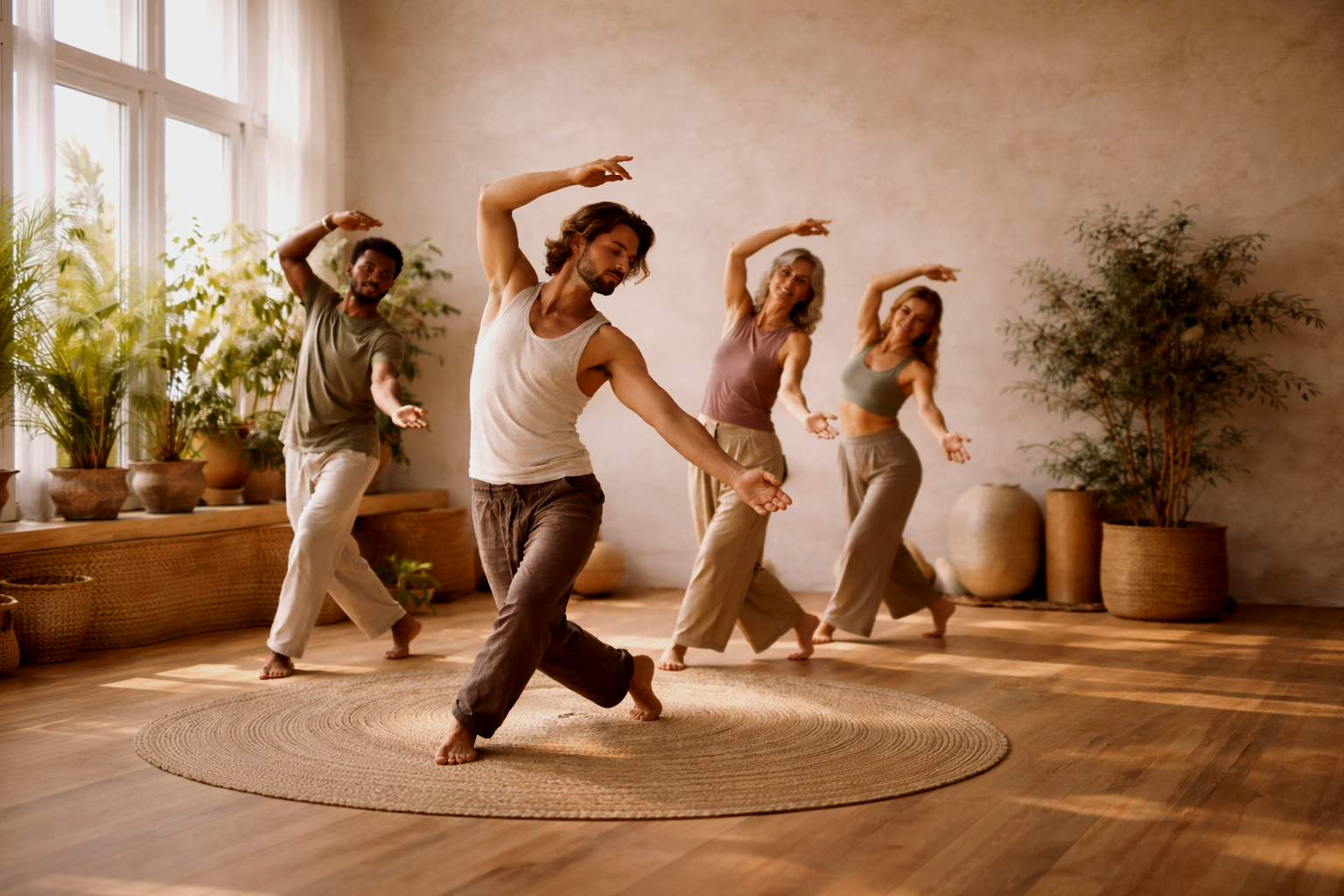
Mindful Movement Therapy offers a supportive space to explore the connection between movement, emotional awareness, and the perceptions.
Through gentle movement, reflection, and body awareness, participants are encouraged to notice how physical sensations, posture, breathing, and movement relate to emotional experience.
This approach supports greater self-awareness, emotional understanding, and a deeper connection between mind and body.
Mindful Movement Therapy
What Happens In A Session
Sessions take place in a calm and supportive environment where movement, reflection, and conversation are used to explore emotional and physical experience.
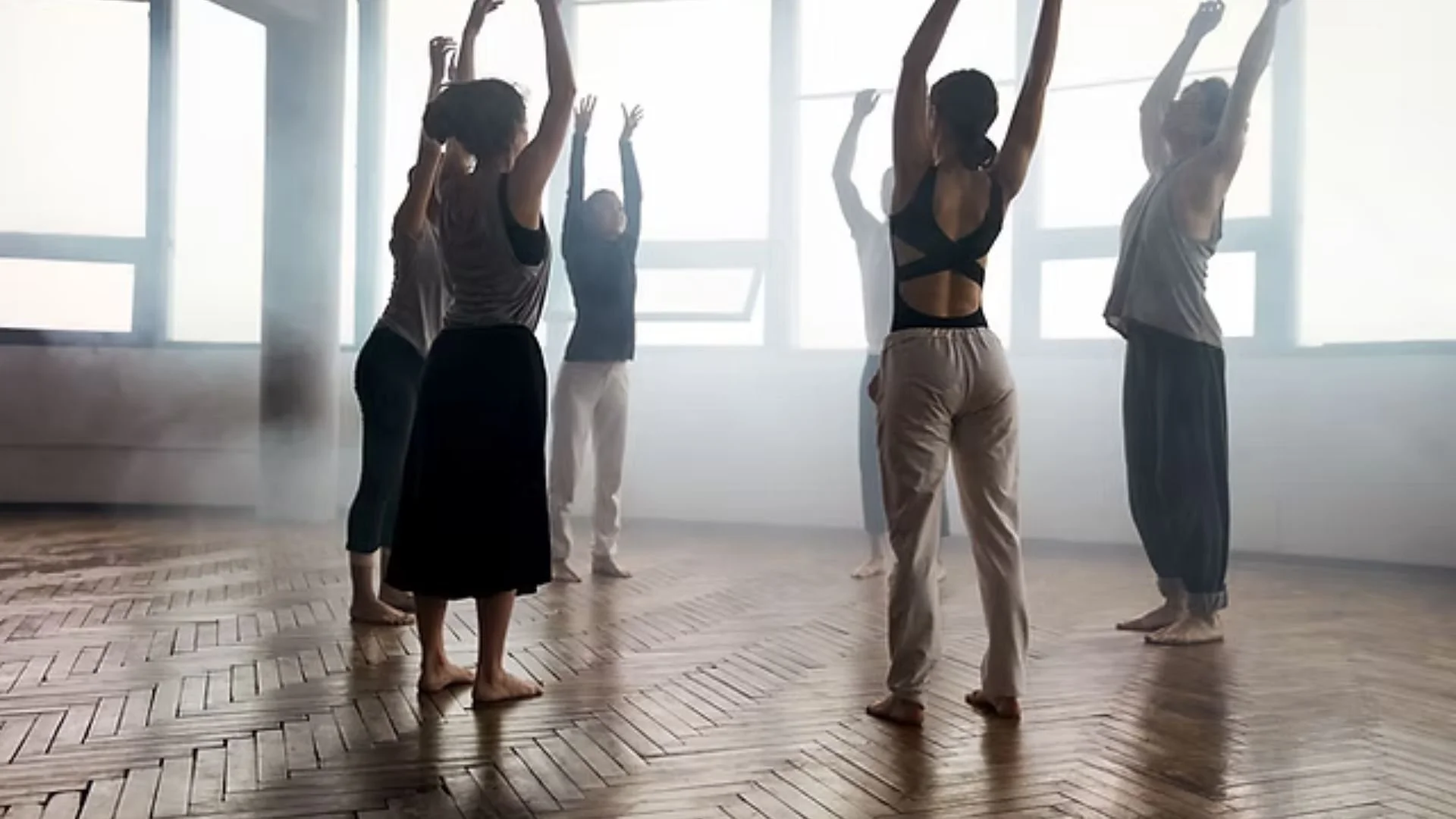
Participants are gently encouraged to explore movement in a way that feels comfortable and natural. The focus is not on performance, but on developing awareness of how movement, posture, breath, and sensation relate to emotional experience.
Sessions may include gentle movement exploration, moments of quiet reflection, breath awareness, and opportunities to notice the connection between physical sensations and emotional states.
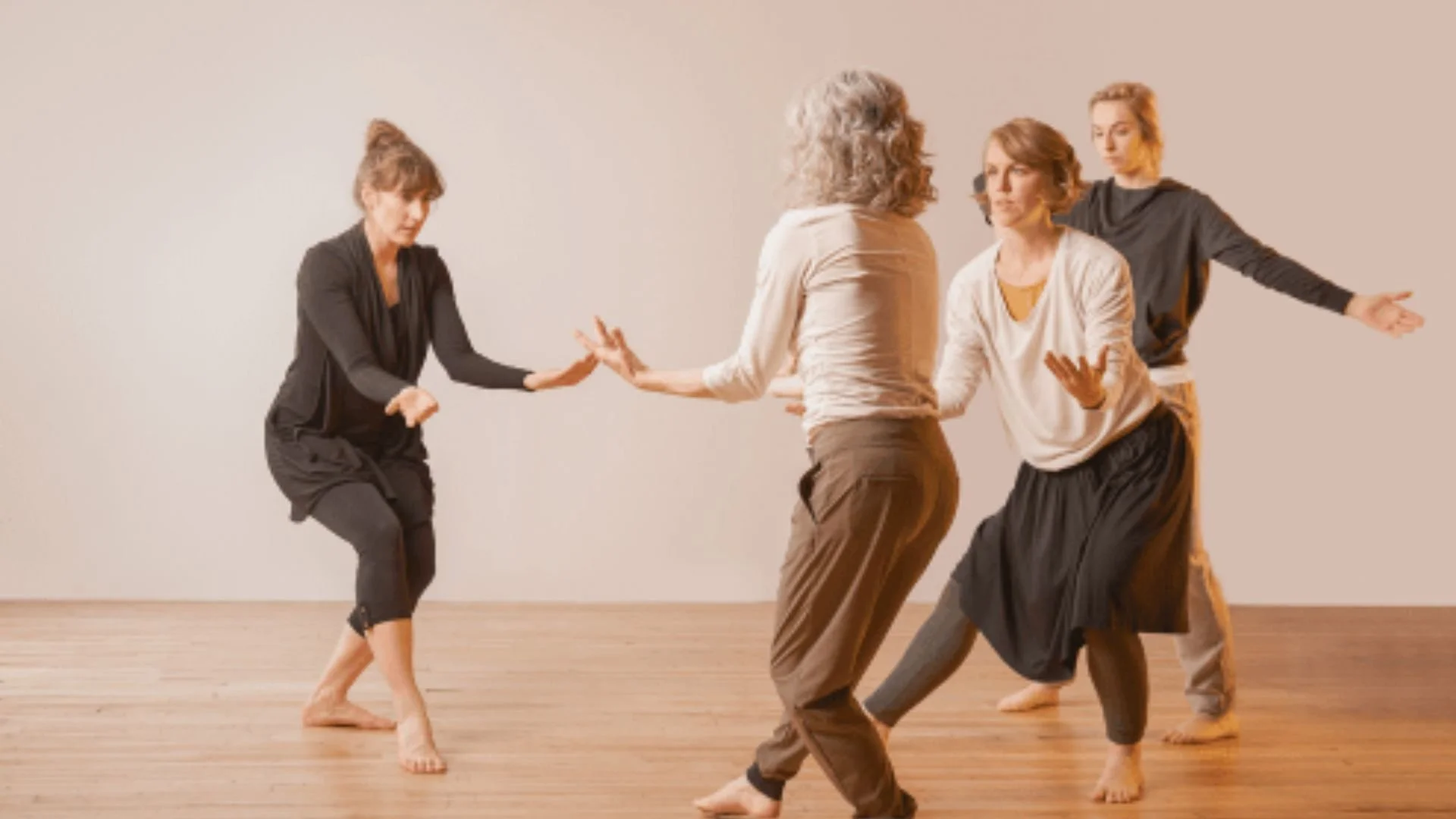
The Flow of a Session

Gentle Arrival
Sessions begin with a brief moment to settle in and become aware of the body, breath, and present experience.

Movement Exploration
Participants are invited to explore gentle movement that encourages awareness of posture, balance, sensation, and physical expression.

Reflection and Awareness
Time is given to notice and reflect on how movement and bodily sensations relate to emotional experience.

Shared Understanding
Sessions may include opportunities for quiet reflection or discussion, allowing participants to integrate their experiences.
Let Us Help You Move Your Mood
Depression is more than a diagnosis. It can affect the way we think, feel, experience our bodies, relate to others and engage with the world. Sometimes, when words are not enough, movement can provide another way to explore how we feel. Dance Movement Therapy uses movement, music and human connection to help individuals discover different ways of experiencing themselves. Through simple, mindful movement, we can begin to reconnect with ourselves, explore new possibilities and recognise that change is possible. You don't need to be a dancer or get the movements right. Sometimes, a small movement can be the beginning of a change in how we feel.
Areas This Work May Support
Mindful Movement Therapy may support individuals experiencing emotional or psychological challenges where greater awareness of the body, movement, and sensation can help develop emotional regulation and self-understanding.
Sessions may be accessed independently or through referral from General Practitioners and other health professionals.
-
Depression
Depression is more than a diagnosis. It can affect how we think, feel, experience our bodies, relate to others and engage with the world.
Sometimes, when words are not enough, movement can provide another way to explore how we feel and experience ourselves.
Dance Movement Therapy uses movement, music and connection with others to help people discover different ways of experiencing themselves.
When depression says:
“I can't get started.”
“I can't connect.”
“I can't change anything.”
Movement can offer a different experience:
I can move.
I can choose.
I can influence what happens next.
You don't need to be a dancer, have physical contact with others or get the movements right. There are no two left feet in Dance Movement Therapy.
Sometimes, a small movement can be the beginning of a change in how we feel.
Let us help you move your mood.
-
Embodied movement practices can help individuals become more aware of physical tension, breathing patterns, and how the body responds to stress. Through gentle exploration, participants may discover new ways of regulating and responding to anxious states.
-
When emotions feel intense or difficult to process, movement can provide a supportive way to explore and understand these experiences in a gradual and embodied way.
-
Embodied approaches may help individuals reconnect with their bodies in a safe and supportive environment. The work focuses on awareness, safety, and personal pacing.
-
For some people, words alone may not fully express what they are feeling. Movement can provide another pathway for understanding and expressing emotional experience.
-
Some individuals experience a sense of disconnection from their physical body. Gentle movement exploration can help rebuild awareness of posture, balance, and sensation.
-
Periods of change such as career shifts, relationship changes, or personal transitions can bring emotional challenges. Embodied work may support reflection and adjustment during these times.
-
Many people explore this work simply to deepen their awareness of how their body, thoughts, and emotions interact.
The Difference Between Dance Classes and Movement Therapy
The most important difference between dance classes and Dance Movement Therapy is that Dance Movement Therapists work with a clinical intention to support emotional and psychological wellbeing while addressing psychopathologies under clinical supervision.
In dance classes, the structure is typically hierarchical, with the teacher positioned as the expert guiding technique, movement, and performance. In contrast, Dance Movement Therapy is a collaborative and holistic practice, where both the therapist and client work on a more equal level. The client is regarded as the expert in their own experience, including how they have developed their movement patterns and bodily awareness. While both dance classes and Dance Movement Therapy can be holistic, Dance Movement Therapy is specifically oriented toward supporting emotional and psychological wellbeing through this shared, therapeutic process.
In many dance classes, there can be an emphasis on technique, appearance, and performance, which may create a more judgement-based environment. In contrast, Mindful Movement Therapy offers a non-judgemental and supportive space where there is no right or wrong way to move. The focus is on personal experience rather than how movement looks, allowing each individual to explore their body in a way that feels safe, comfortable, and authentic.
In Mindful Movement Therapy, the therapist is there to gently guide individuals through their movement and any discomfort that may arise, rather than instructing or correcting how they should move. The role is not to teach technique, but to support and work alongside the client as they explore their own patterns and experiences. Instead of taking on the position of an instructor, the therapist acts as a supportive presence—helping individuals stay with and understand their discomfort, and allowing movement to unfold in a way that feels authentic and meaningful to them.
Mindful Movement Therapy fosters connection between hearts and minds through shared movement, awareness, and reflection, rather than physical contact. Interaction is primarily emotional and relational, with minimal physical connection, allowing individuals to engage safely while still experiencing a meaningful sense of connection with others.
Session Information
Session Length
Sessions typically run for approximately 60 minutes, providing enough time to settle into the space, explore gentle movement, and reflect on the connection between breath, posture, balance, and emotional experience. The pace of the session is guided with care so participants never feel rushed.
Session Format
Sessions are generally held in small, supportive group settings, with a minimum group size of four clients. The group environment allows participants to explore movement and awareness together while maintaining a strong sense of personal space and respect for individual experience. Gentle guidance is offered throughout the session, and participants are always encouraged to move at a pace that feels comfortable for them.
Location
Qld National Ballet School, 57 Hayward St, Stafford, Q 4053
Experience Required
No prior experience with movement, dance, mindfulness, or therapy is required. The focus of this work is not performance, but rather developing awareness of how the body moves, breathes, and responds to emotional experience. Participants are invited to explore movement in their own way and at their own pace.
Payments
Sessions are priced at $40 per session and must be paid in advance to secure your booking. Payment can be made via bank transfer using the details below. Please ensure payment is completed prior to your session, as bookings are only confirmed once payment has been received.
Sessions will be refunded if at least 24 hours’ notice of cancellation is provided.
Payment Information
Account Name: EMMT
BSB: 013711
Account Number: 808246417
Reference: Your Name + Session Date + Session Time
Begin a Conversation
If you would like to learn more about sessions or discuss whether this approach may be right for you, you are welcome to get in touch.