
Mindful Movement Therapy
I think, I feel, I move — and in movement, I experience myself.
Just as ocean waves move with a natural rhythm, our bodies move through rhythms that influence how we feel, experience ourselves and connect with the world.
Experience Yourself Through Movement
Movement is one of the fundamental ways in which humans relate to others, experience themselves and engage with the world.
A psychologist might ask “What are you thinking?” A dance movement therapist might ask “What happens when we explore another way of moving?” This can help a client discover aspects of themselves through movement, without having to explain themselves.
I think, therefore I am. I move, therefore I experience myself.
Moving results in both transport and transformation. We move to get somewhere, accomplish something, or meet a practical need. But movement can also transform how we experience ourselves and the world around us. Dance movement therapy focuses on this transformative potential of movement, integrating attention, balance, sensation, intention, rhythm, effort and emotion into a particular lived experience.

What Is Mindful Movement Therapy?
Dance Movement Therapy is an evidence-informed psychotherapy that uses movement, body awareness, rhythm, and relational attunement to support psychological wellbeing.
It is based on a simple understanding:
The body and brain function together.
When one changes, the other changes.
Through guided movement exploration, reflective pauses, and gentle therapeutic dialogue, sessions may support:
• Emotional regulation
• Reconnecting with bodily awareness
• Processing difficult experiences
• Building resilience and self-trust
• Greater integration of mind and body
This is not a dance class.
It is not a performance.
It is a therapeutic movement practice where safety and comfort are always the first priority.
Dance Movement Therapy recognises two types of movement. Instrumental movement helps us accomplish external tasks, such as walking to catch a train or reaching for a cup of coffee.
Organisational movement relates to how we organise and reorganise ourselves through physical, emotional, cognitive and relational experiences.
Dance Movement Therapy focuses on this organisational aspect of movement, exploring how we move to experience ourselves, develop self-awareness and learn to be ourselves.
Why Movement?
Our bodies can communicate and process experiences in ways that words alone sometimes cannot. Dance Movement Therapy draws on the connection between movement, the body and the mind to create opportunities for expression, awareness and therapeutic change.
Attunement & Connection
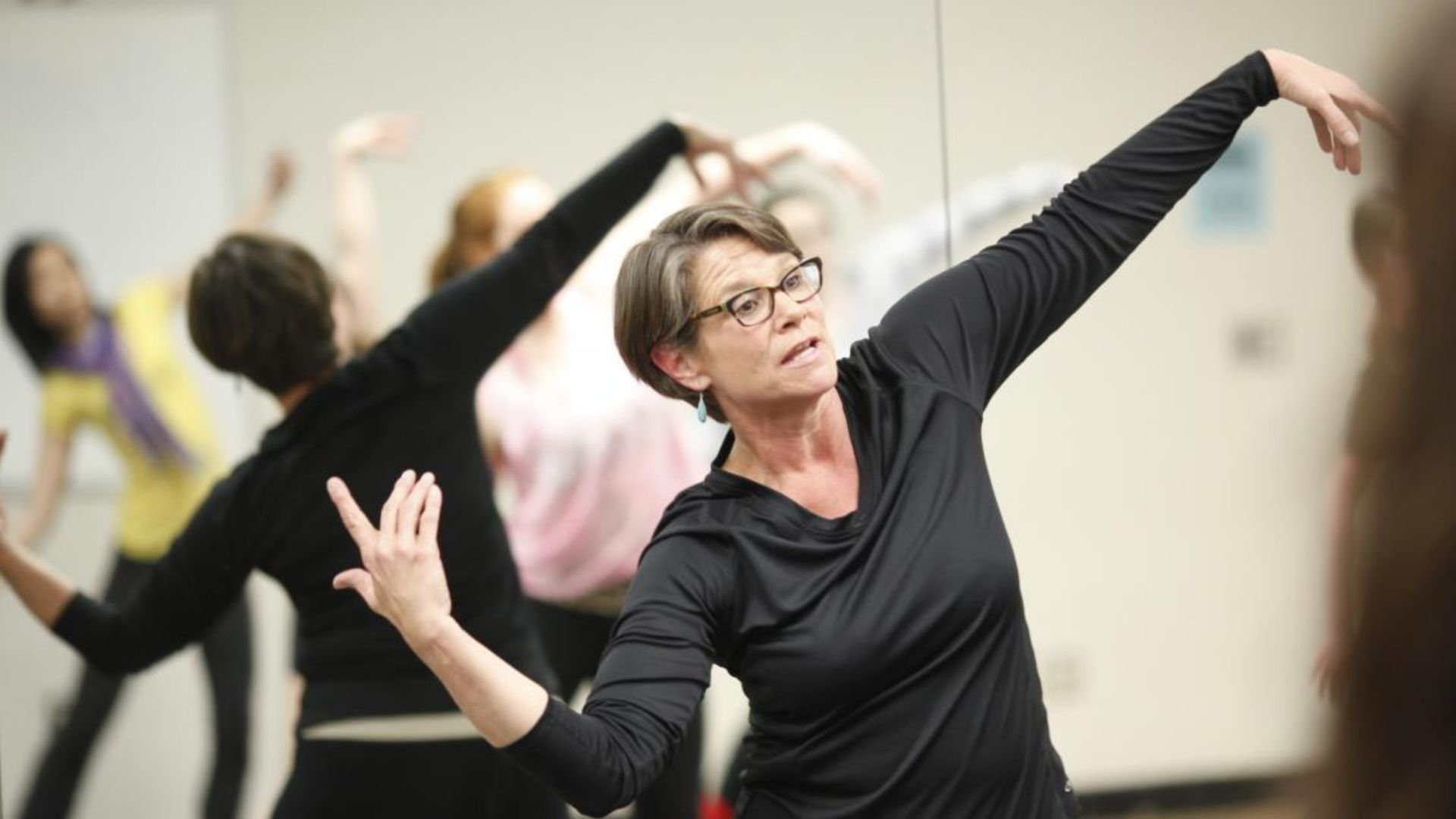
Mirroring and responding to another person’s movement can create a sense of attunement and connection. This can help establish therapeutic rapport and provide a supportive foundation for meaningful therapeutic work.
The Mind-Body Connection
The brain and body are intricately connected through the nervous system. Dance Movement Therapy works with this relationship by exploring how changes in the way we move can influence the way we think, feel and experience ourselves.
Expression Beyond Words
Some thoughts, feelings and experiences can be difficult to express verbally. Movement provides another way to communicate and explore these experiences without initially needing to put them into words.
Expressing difficult thoughts and feelings through movement can also make it easier to reflect on and talk about those experiences afterwards.
Movement, Awareness & Wellbeing
Physical activity can support both mental and physical wellbeing. Dance Movement Therapy goes further by bringing focused awareness to the experience of movement and its effects on both the body and mind.
Through movement and interoceptive awareness, clients are encouraged to notice physical sensations, emotional responses and internal experiences, creating opportunities for greater self-awareness and exploration.
How This Therapy Helps
Supporting emotional wellbeing through mindful movement and body awareness.

Emotional Regulation
Movement helps process emotions that are difficult to express in words.
Through gentle exploration, clients can safely release tension and develop healthier emotional responses.

Body Awareness
Clients reconnect with physical sensations and grounding in the body.
Developing body awareness supports a deeper understanding of how emotions are experienced physically.
Mind-Body Integration
Therapy strengthens the connection between physical movement and psychological wellbeing.
This integrated approach can improve resilience, self-awareness, and overall mental health.
What To Expect In A Session
Sessions take place in a calm and supportive environment where movement, reflection, and conversation are used to explore emotional and physical experience.
You do not need any previous experience with dance or movement. The focus is not on performance, but on developing awareness of the relationship between movement, emotions, and perceptions.
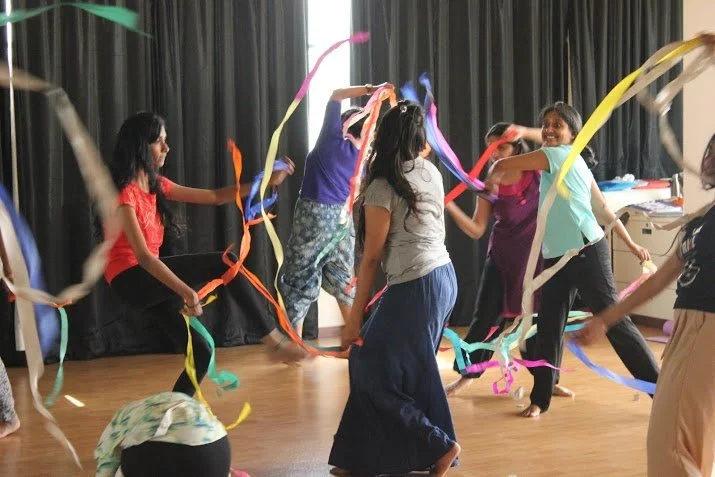
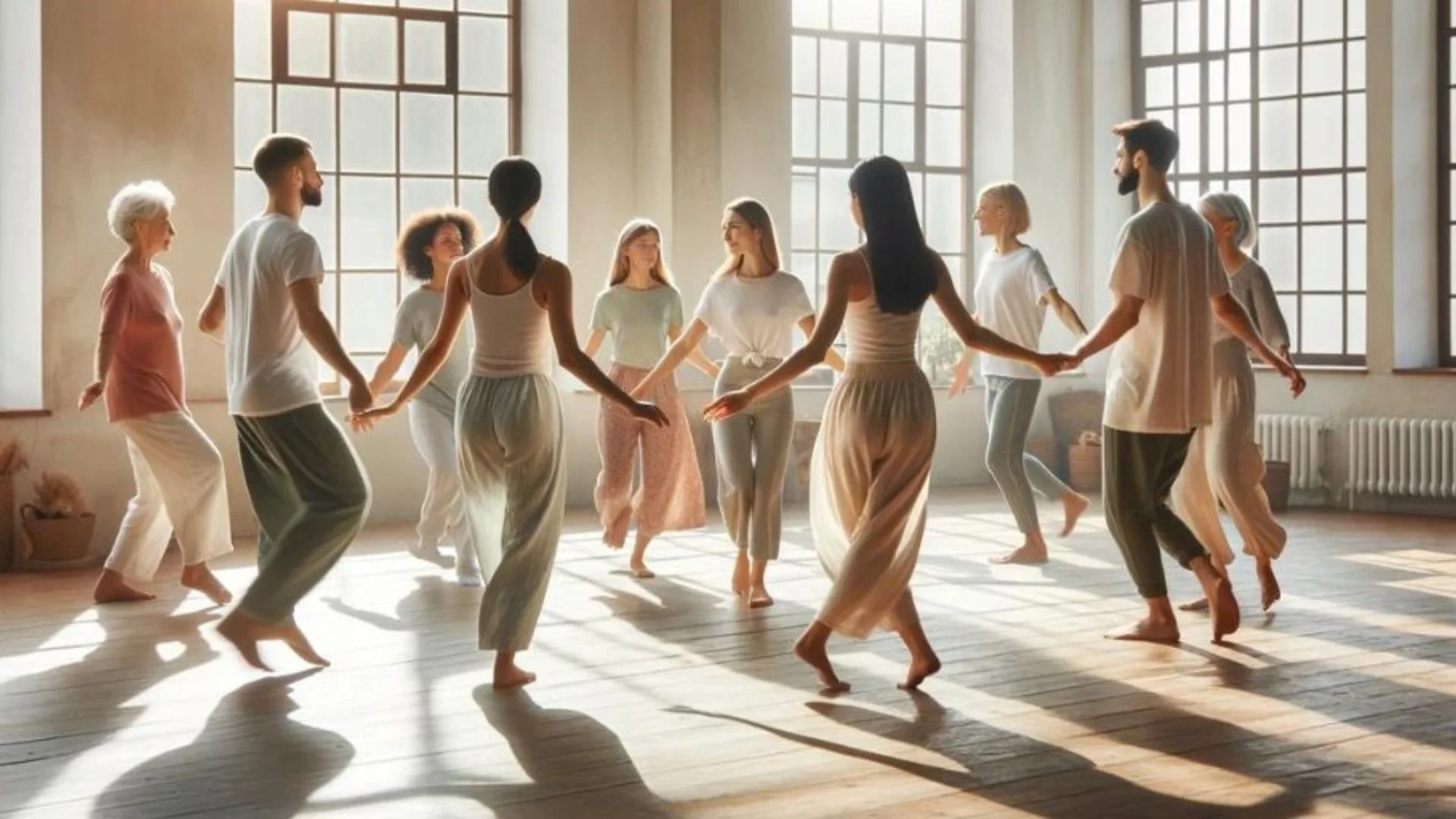
Sessions are held in small groups of four to eight participants, creating a safe and supportive space where people can explore movement and awareness together.
Each session may include gentle movement exploration, grounding, use of music and rhythm, and opportunities for reflection and somatic awareness.
Participation is always invitational, and you remain in control of your level of engagement throughout the session.
Over time, many people find that this work supports greater emotional awareness, resilience, and a deeper sense of connection with themselves.
Get in Touch
Movement • Attunement • Awareness • Connection • Breath • Reflected
Movement • Attunement • Awareness • Connection • Breath • Reflected